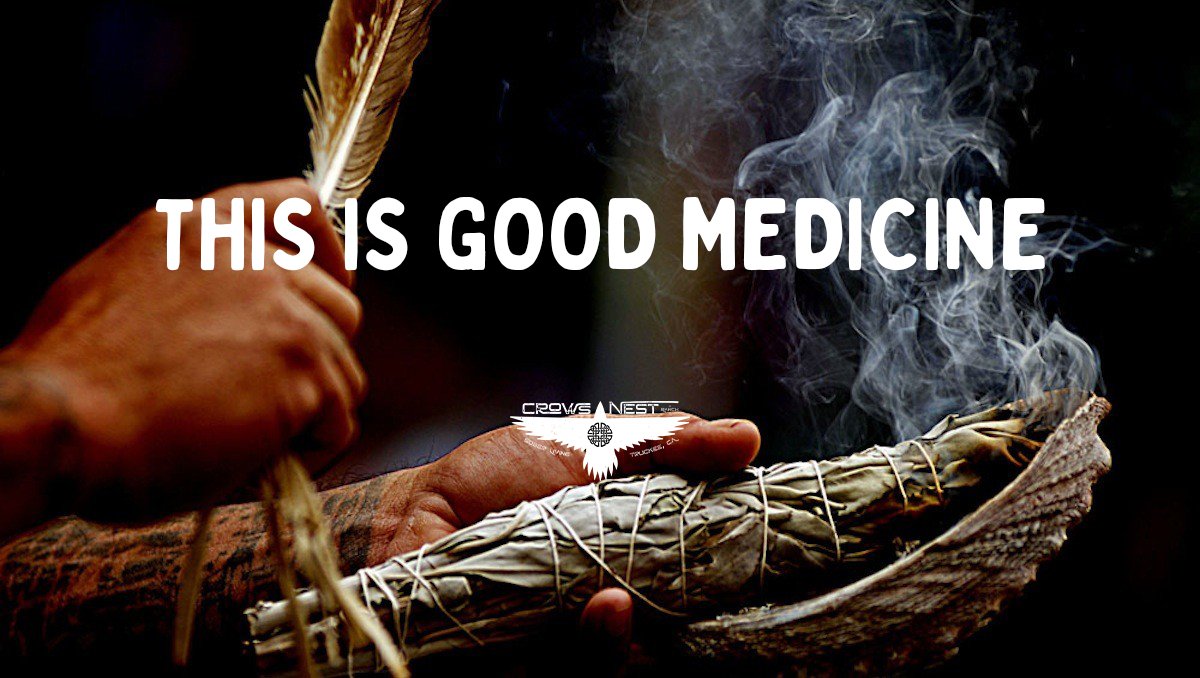
Wellbriety is a word that combines "wellness" and "sobriety." It comes from the White Bison organization and reflects an Indigenous approach to healing that goes beyond stopping substance use. It asks a deeper question: what does it mean to be well in every part of your life?
For many people in recovery, that question is the one that actually sticks.
At Crow's Nest Ranch, we believe recovery is a whole-person process, and integrating a formal Wellbriety program is a direct extension of that belief. Beginning September 19, 2026, Yaqui Nation elder Ray Valdez will join us at least once per month to lead healing circles for our enrolled patients. Under his ongoing guidance, we will also hold weekly healing ceremonies to accentuate our current clinical and evidence-based programming.
This is not a pilot. This is a commitment to our community. Our treatment model already draws from Eastern philosophies through Zen, Mindfulness, Yoga, Muay Thai, and Jiu-Jitsu. Bringing authentic, Indigenous ceremony into that framework is not a departure from what we do. It is the natural next step in offering patients a path to healing that is genuinely holistic.
The Wellbriety Movement
The Wellbriety movement was founded by Don Coyhis of the Mohican Nation through his organization, White Bison. It began as a response to the disproportionate impact of addiction and trauma on Native American communities, and it has since grown into a national framework embraced by tribal nations, treatment centers, and recovery communities across the country.
At the heart of Wellbriety is the medicine wheel, a sacred teaching tool used by many Indigenous peoples to represent balance across four dimensions of life: physical, mental, emotional, and spiritual. In the Wellbriety framework, healing means attending to all four.
The movement integrates traditional cultural practices with principles of recovery, making space for spirituality, community, and ancestral wisdom alongside evidence-based treatment.
What Happens in a Wellbriety Circle
On September 19, 2026, Ray Valdez, a Native Elder, will lead our first official Wellbriety Circle. It is open exclusively to patients currently enrolled in our dual-diagnosis outpatient treatment program.
In a Wellbriety Circle, participants gather in a communal format that centers listening, sharing, and respect. There are no hierarchies. Everyone is given space to speak or to sit quietly. The circle itself is considered sacred, and what is shared within it stays within it.
Ray Valdez will lead the ceremony using traditional elements, including sacred drumming, prayer, and teachings rooted in the relationship between human beings and the Great Spirit. These practices create a container for healing that is different from what happens in a clinical group. They reach a different part of the person.
Following the launch, Ray will return monthly to lead circles with our patients. Between his visits, we will hold smaller ceremonies under his ongoing direction and mentorship. This offering is not an add-on. It is a structured, recurring part of what we offer moving forward as part of our commitment to our holistic behavior change model.
About Our Elder: Ray Valdez
Ray Valdez is a Yaqui Nation elder based in Reno, Nevada. He has dedicated much of his life to preserving and sharing Indigenous spiritual practices, including his work in Native American religious rights. His understanding of ceremony, prayer, and the sacred ways carries both cultural authority and personal depth.
Ray does not approach healing as a clinical observer. He approaches it as a keeper of traditions that have sustained his people for generations.
We are honored to have him as a consistent, trusted presence in our program.
Why Cultural Competency Matters in Recovery
Research consistently shows that culturally responsive care improves treatment outcomes. When a patient sees their identity, history, and values reflected in their treatment environment, engagement deepens. Dropout rates go down. The sense of safety goes up.
For Native American and Indigenous communities, this is especially significant. Historical trauma, cultural erasure, and the chronic underrepresentation of Indigenous healing in mainstream treatment have created real barriers to care.
But cultural humility benefits everyone in the room. Integrating traditional healing practices into a recovery setting shifts the entire culture of that setting. It invites patients to consider parts of themselves that are often left outside clinical work: belonging, meaning, spirit, ancestry.
Indigenous-informed recovery does not replace evidence-based care. It expands it. It offers additional pathways into healing, and it honors the reality that no single framework is sufficient for every person.
A Sustained Commitment to Whole-Person Care
What we are launching in September is more than a new program feature. It reflects a shift in how we think about what recovery programming can include.
Adding structured, ongoing Indigenous healing ceremonies to our dual-diagnosis treatment reflects our belief that recovery and sober living in Northern California should mean more than symptom management. It should mean the chance to become well in the fullest sense of that word.
These monthly Wellbriety circles with Ray give patients consistent access to this form of healing throughout their time with us. Additionally, our weekly mindfulness and grounding ceremonies will be held under his direction, ensuring it becomes part of the rhythm of recovery rather than a single monthly encounter.
We were careful to involve an elder with genuine cultural authority and to build this into our programming with his ongoing guidance. We believe that is how it should be done.
READY TO BEGIN WALKING IN A GOOD WAY?
If you or someone you love is ready to explore what whole-person recovery looks like, we are here.
Reach us at hello@crowsnestranch.org or call (530) 448-4555.